

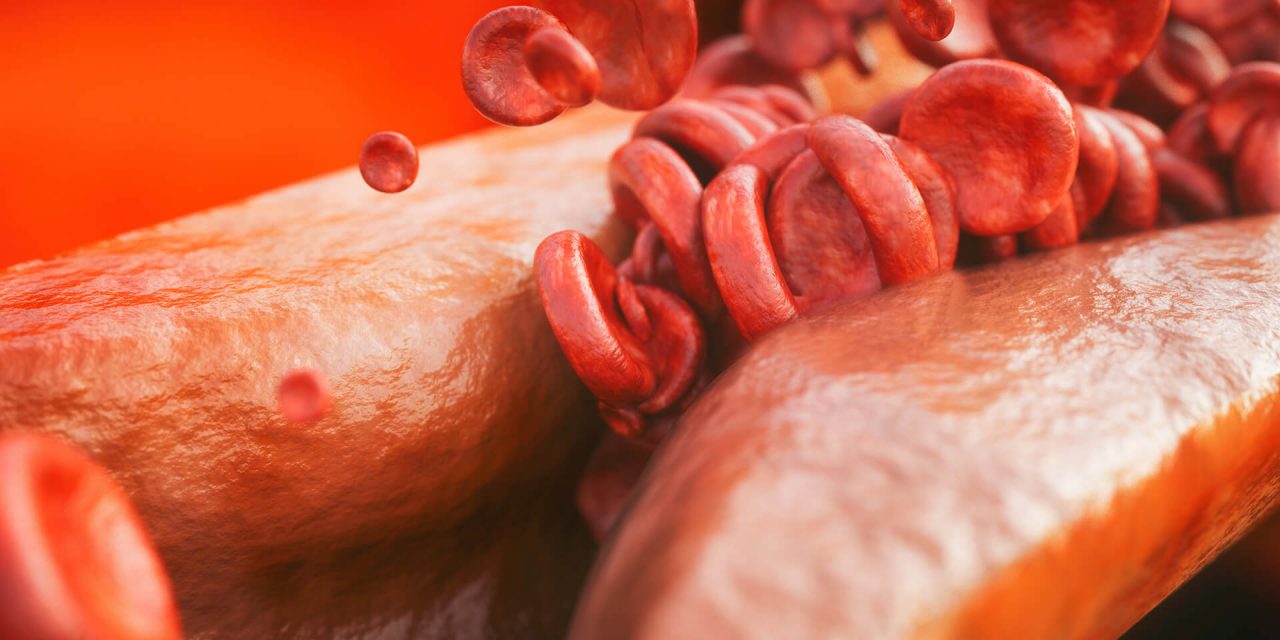
High blood pressure, also known as hypertension, is a common health condition that can affect the heart, brain, kidneys, and other organs. It often develops gradually and may have no noticeable symptoms, which is why regular blood pressure monitoring is important.
What Is High Blood Pressure?
Blood pressure is the force of blood pushing against the walls of your arteries as your heart pumps. When this pressure remains consistently higher than normal, it may lead to hypertension.
Because high blood pressure often does not cause obvious warning signs, checking your blood pressure regularly is one of the best ways to stay informed about your cardiovascular health.
Common Causes and Risk Factors
There is no single cause of high blood pressure. A combination of lifestyle, health, genetic, and environmental factors can increase a person’s risk.
1. Unhealthy Diet
A diet high in sodium, particularly from processed and packaged foods, can contribute to increased blood pressure. Eating a balanced diet that includes fruits, vegetables, fiber, and potassium-rich foods can support healthier blood pressure levels.
2. Lack of Physical Activity
Regular physical activity helps support a healthy heart and blood vessels. Being physically inactive can increase the risk of high blood pressure and may also contribute to unhealthy weight gain.
3. Being Overweight or Obese
Carrying excess weight can place additional strain on the heart and circulatory system. Maintaining a healthy weight through nutritious food choices and regular physical activity can help reduce the risk.
4. Smoking and Tobacco Use
Tobacco use can damage the heart and blood vessels, while nicotine can temporarily increase blood pressure. Avoiding tobacco is an important part of protecting cardiovascular health.
5. Excessive Alcohol Consumption
Drinking too much alcohol can contribute to higher blood pressure. Limiting alcohol consumption can be an important part of maintaining a healthier lifestyle.
6. Family History and Age
Your risk of developing high blood pressure can be influenced by genetics and family history. Blood pressure also tends to increase with age as blood vessels naturally change over time.
7. Other Health Conditions
Certain medical conditions, including diabetes, kidney disease, sleep apnea, obesity, and thyroid problems, can increase the risk of high blood pressure. Some medications may also affect blood pressure.
Why Regular Monitoring Matters
Since high blood pressure can develop without noticeable symptoms, regular monitoring can help you understand your numbers and identify changes early. If you have concerns about your blood pressure or have been advised to monitor it at home, speak with a qualified healthcare professional about the appropriate monitoring routine.
Take Steps Toward Better Heart Health
Healthy habits can make a difference. Eating a balanced diet, staying physically active, maintaining a healthy weight, avoiding tobacco, limiting alcohol, getting adequate sleep, and managing stress can all support healthier blood pressure. Some people may also require medication as recommended by their healthcare provider.
Your health starts with knowing your numbers. Regular blood pressure monitoring and professional medical guidance can help you take proactive steps toward better cardiovascular health.
Disclaimer: This article is for general educational purposes only and is not a substitute for professional medical advice, diagnosis, or treatment.